
DID YOU KNOW …. ? The EPA estimates that more than 23 million households rely on private wells for drinking water in the United States, as of August 2021. Yet, the EPA is responsible for making sure that the public water supply within the United States is safe.; but the EPA does not monitor or treat private well drinking water.
“More than 43 million people—about 15 percent of the U.S. population—rely on domestic (private) wells as their source of drinking water. The quality and safety of water from domestic wells are not regulated by the Federal Safe Drinking Water Act or, in most cases, by state laws.”
– USGS.gov
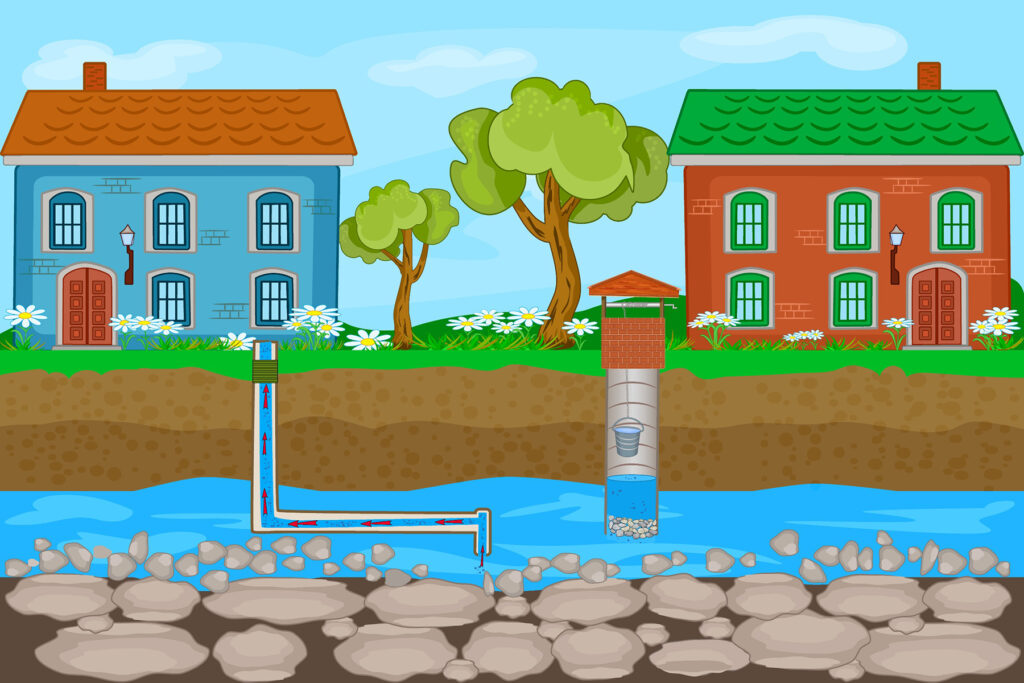
Whether you live in a rural area or suburban community with well water, your water comes from groundwater or surface water that is pumped from your well into your home. Once in your home, the water is used for drinking, cooking, cleaning and bathing. If your home’s water is supplied by a private well, you are the one responsible for your water’s quality and any needed water treatment.
There are several treatment methods to improve the quality of your well water. Your water conditions and how you will use the water determine the appropriate treatment:
WORKING WATER
Working water, for washing, bathing and cleaning, makes up 99 percent of the water that’s used in the home. Often, well water is treated with a water softener, filtration system or specialty filter so that it can work better in the home. Left untreated, your water can cause problems such as staining, spotting, scale buildup, poor performance from water-using appliances, harm to these appliances and more.
DRINKING WATER
Although the water you use for drinking and cooking makes up about one percent of the water used in your home, its quality is probably most important to you. Untreated well water can affect the taste and smell of drinks and food. And unless the water is tested, there’s no telling what, if any, contaminants might be in the water. A reverse osmosis system or drinking water filter are often used to improve the quality, taste and smell of well water.
COMMON WELL WATER PROBLEMS AND CONTAMINANTS
Unless you install a water treatment system, there is nothing between you and any water problems. Common well water contaminants and issues include:
- Scale and hard water: Hard water is water that contains calcium and magnesium which causes the white, chalky scale buildup on fixtures and water-using appliances. It is unsightly and can reduce the life, appearance and efficiency of fixtures, water appliances and other items around your home. Hard water is very common with private wells.
- Staining: Stains caused by problem water can ruin clothing, sinks, tubs, toilets, water-using appliances, even tableware. Reddish-orange, blue-green, pink or brown stains are difficult to remove and may require early replacement of items that are stained. If you notice red or orange staining, you likely have iron in your water. Blue-green staining can mean your water is slightly acidic or has a low pH, which can be damaging to your water pipes and eventually to your home.
- Tastes and Odors: Unpleasant tastes and odors can make drinking your water difficult and can affect the smell and taste of things made with water, including ice. It can also make showering or bathing less than enjoyable. Hydrogen sulfide (sulfur smell), decayed vegetation and other naturally-occurring substances can make well water taste and smell bad.
- Cloudy Water: Cloudy Water can be caused by dissolved solids, tannin, sand or other substances that affect your water’s clarity. If your water is cloudy, it could simply be unappealing to look at, or it could clog or damage water-using appliances and fixtures over time.
SCHEDULE A FREE WATER TEST TO LEARN ABOUT YOUR WELL WATER PROBLEMS: To understand the quality of your well water, you should have your home’s water tested. All KarSare water professionals offer free in-home water testing.
COMMON WELL WATER TREATMENT SOLUTIONS
Water Softening
Well water softeners help remove the minerals that cause hardness, like calcium and magnesium, to improve your water supply. Softeners typically use salt, but salt-free conditioners are available for users in brine-restricted areas. If you’re concerned about mineral deposits and other solid particulate matter in your home’s water, it could be time to consider looking into a high-quality water softener in Lexington, KY. Our team at KarSare Systems can help you out with that. While all Culligan well water softeners can get rid of your hard-water headaches, we offer a variety of choices – including smart, WiFi-enabled systems – to address the unique needs of your home, family and water.
- Cost Savings Benefit: Reduce spending on soaps, detergents, lotions and cleansers when you don’t have to deal with hard water buildup.
- World’s Most Efficient: Save on water, energy and salt with our high-efficiency systems.
- Smart Features Available: Track water usage and enjoy worry-free maintenance with system alerts for leaks or service needs.
Water Filtration
Water filtration systems improve the quality of water throughout your home for hydration, cooking and bathing. By reducing the presence of many contaminants — such as iron, sulfur and sediment — you can enjoy great-tasting, better-smelling water while also reducing the potential for rust stains and other unsightly household problems. This can even protect your clothing, water-using appliances and plumbing fixtures from damage.
Two basic types of water filtration systems are:
- Whole home: These targeted solutions address specific problem water issues like iron, sediment, hydrogen sulfide, and arsenic. These systems are installed where your water enters your home, so you’ll benefit from cleaner water from every tap.
- Reverse osmosis (RO): These more broad-ranging systems are designed to provide comprehensive filtration for a wide variety of potential issues in your drinking water. Culligan RO systems are certified to reduce 12 times more contaminants than the leading standard filter pitcher.**


Ways to Prevent Water Well Pollution or Decontamination
According to the EPA.gov, you should test your private well annually for total coliform bacteria, nitrates, total dissolved solids, and pH levels. If you suspect the presence of other contaminants, you should test for those also. You can also contact your local health department to find out what substances may be common in your area’s groundwater. (MORE INFO)
- Install a well cap or sanitary seal to prevent unauthorized use of, or entry into, the well.
- Keep accurate records of well maintenance, such as disinfection or sediment removal, that may require the use of chemicals in the well.
- Avoid mixing or using pesticides, fertilizers, herbicides, degreasers, fuels, and other pollutants near the well.
- Do not dispose of wastes in dry wells or in abandoned wells.
- Do not cut off the well casing below the land surface.
- Pump and inspect septic systems as often as recommended by your local health department.
- Never dispose of harsh chemicals, solvents, petroleum products, or pesticides in a septic system or dry well.
- Check with your local health department or environmental agency to ensure activities and industry on or near your property are set a safe distance from your well.
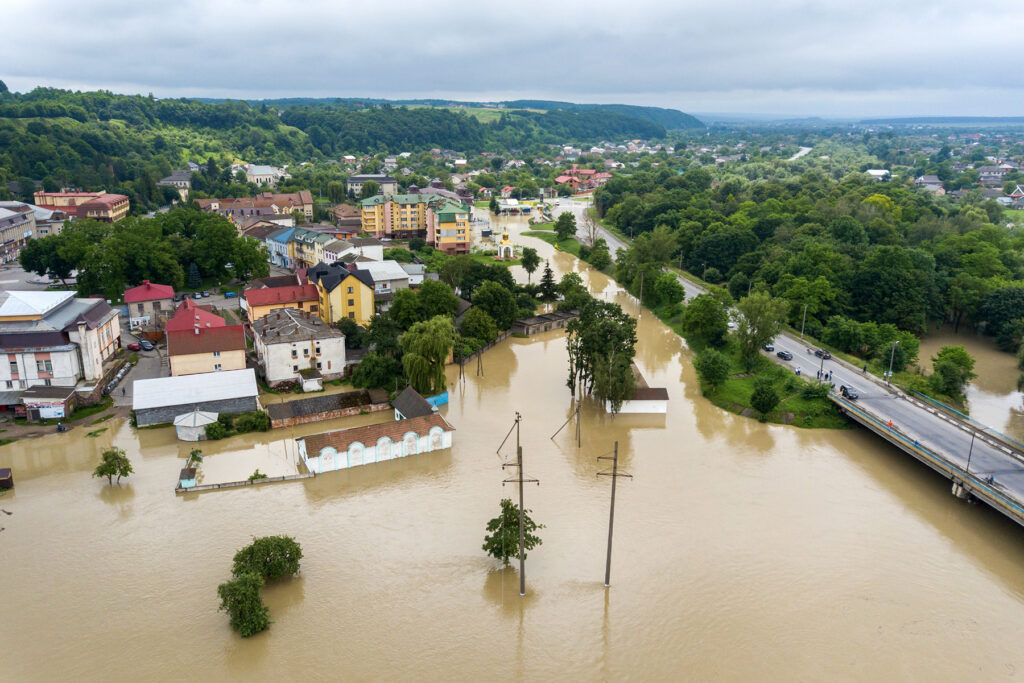
If your area has recently experience a natural disaster or environmental emergency, it’s vital to protect your water. Why? Flooding, earth quakes, landslides, and other natural disasters can impact the safety of your drinking water by allowing contaminants to enter your private well system. If you suspect your drinking water well may be contaminated after a flood or another natural disaster, contact your local or state health department or environmental agency for advice on inspecting and testing your well.
If your area has recently flooded, do not drink the water or wash from flooded well, get professional assistance to clean and disinfect your well before the pump is back on and drain/run the well water until the water runs clean. If your water is cloudy, has an odor, or you feel sick from drinking your well water after a flood, get advice from the county or state health department or extension service.