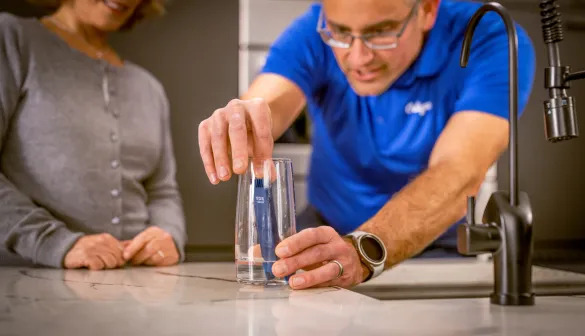
If you’ve ever wondered whether your home has hard water, the “soap test” is one of the easiest ways to find out. Used by professionals at Culligan, this quick demonstration helps homeowners see how water hardness affects everyday cleaning, lathering, and overall water performance—without any complicated tools.
🧼 What Is the Culligan Soap Test?
The soap test is a visual comparison that shows how well soap lathers in your water. Hard water contains minerals like calcium and magnesium that interfere with soap, preventing it from forming a rich lather. Instead, soap reacts with these minerals and creates a residue (often called soap scum), making cleaning less effective.
🔬 How Does the Soap Test Work?
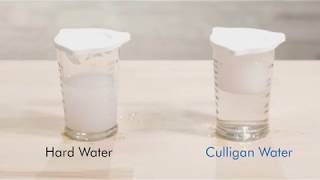
Soap needs “clean” water to lather properly. When hardness minerals are present:
- Soap binds to calcium and magnesium instead of forming bubbles
- Lather is reduced or nonexistent
- Residue is left behind on surfaces, skin, and fabrics
When those minerals are removed or reduced, soap can do its job—producing more bubbles, better cleaning, and less buildup.
🏡 How to Conduct the Soap Test at Home
You can easily try this yourself with just a few items:
What you’ll need:
- Two clear bottles or jars with lids
- Tap water
- Liquid dish soap
Steps:
- Fill both containers halfway with tap water
- Add a few drops of liquid soap to each
- Shake both containers vigorously for 10–15 seconds
What to look for:
- Little to no bubbles, cloudy water, or film = likely hard water
- Lots of bubbles and clear water = softer water
💡 Want to take it further? Compare your tap water to bottled or filtered water for a clearer contrast.
👀 What the Soap Test Shows
The results give you a quick snapshot of your water quality:
- Poor lather → Hard water is present
- Cloudiness or residue → Mineral interference
- Excess soap needed → Reduced cleaning efficiency
Hard water doesn’t just affect soap—it can also:
- Leave spots on dishes and glassware
- Cause buildup in pipes and appliances
- Dry out skin and hair
- Reduce the lifespan of water-using systems
💧 What Culligan Solutions Help If Your Water “Fails” the Test?

If your water doesn’t lather well, it’s a strong sign you could benefit from treatment solutions from Culligan, available through KarSare Water Systems.
✔️ Water Softeners
A Culligan water softener uses ion exchange to remove hardness minerals like calcium and magnesium. This is the primary solution for improving soap performance, reducing scale buildup, and enhancing overall water quality.
✔️ Whole-Home Filtration Systems
For homes dealing with chlorine, odors, or additional impurities, whole-house filtration systems help improve taste, smell, and overall water clarity—while complementing a softener.
✔️ Reverse Osmosis (RO) Systems
For drinking and cooking water, RO systems provide advanced filtration, reducing dissolved solids and contaminants to deliver cleaner, better-tasting water at the tap.
🧾 Final Thoughts
The Culligan Soap Test is a simple but powerful way to understand your water. If your water struggles to produce a rich lather, it’s more than an inconvenience—it’s a sign your water may be working against you every day.
The good news? With the right system in place, you can enjoy:
- Better cleaning with less soap
- Softer skin and hair
- Longer-lasting appliances
- Water you can trust throughout your home
💡 Not sure what your water needs? Start with a professional water test from KarSare Water Systems and get customized recommendations for your home.