Drugs in the Water
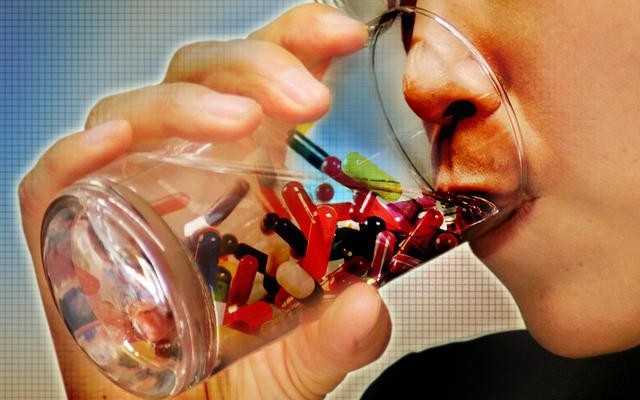
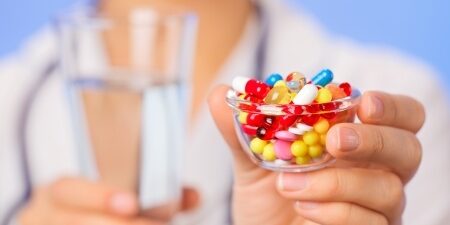
Recent events have led to a growing concern regarding trace pharmaceutical compounds found in drinking supplies across the United States. While pharmaceuticals have been detected in amounts far below the levels considered harmful to humans and there is no evidence demonstrating these pharmaceuticals pose a significant health risk to humans. Yet, we understand many consumers still want to protect their drinking water from any threats, potential or genuine, that compromise drinking water quality.
“There’s no doubt about it, pharmaceuticals are being detected in the environment and there is genuine concern that these compounds, in the small concentrations that they’re at, could be causing impacts to human health or to aquatic organisms.” – Mary Buzby, Director of Environmental Technology for Merck
U.S. EPA & USGS Nationwide Drinking Water Study
- A large joint study by the Environmental Protection Agency and U.S. Geological Survey tested water from 25 drinking water treatment plants across the U.S.
- They analyzed 247 contaminants, including pharmaceuticals
- Findings showed that pharmaceutical compounds are present in both source water and treated drinking water
- [READ STUDY]
2024 Study on Pharmaceuticals in Treated Drinking Water
- A recent peer-reviewed study found:
- 30 out of 37 pharmaceutical compounds detected in raw water
- Measured at very low concentrations (0.01–131 ng/L)
- [READ STUDY]
Evidence That Treatment Plants Don’t Fully Remove Them
- Research confirms that:
- Pharmaceuticals enter water through human waste and improper disposal
- Conventional treatment methods are not designed to fully remove them
- [READ STUDY]
How Did it Get There?
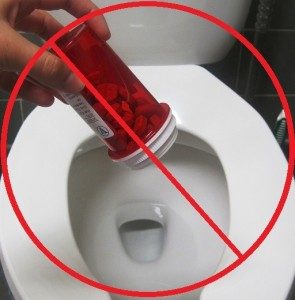
One of the ways drugs get into our water supply is that people are flushing their unused prescriptions down the toilet. While water from sewage is filtered and chlorinated, the drugs remain in the water because the particles of the drugs are too fine to be caught in any sewer filtration system. Anything from epilepsy drugs, to antibiotics, to diabetes drugs, to antidepressants, allergy pills, pain relievers and cold remedies are found in the drinking water. For those who are highly allergic to NSAID’s, may experience a reaction unknowingly from disposed ibuprofen.
- Medications pass through the body and enter wastewater
- Flushed or improperly disposed drugs
- Runoff from hospitals, farms, and manufacturing
Most water treatment plants are designed to remove bacteria and contaminants—but not all are equipped to fully remove pharmaceutical compounds.
The second way pharmaceuticals are getting into the water supply, is patients who take the drugs but cannot digest or metabolize the full dosage. It is said it could be up to 25% of that drug is flushed down the toilet (along with your vitamins) into the sewer system and ultimately into our water supply. Bottled water can pose the same risks as tap water, as the bottled just contains simply filtered water.
The third way is via Concentrated Animal Feeding Operations (CAFOs) aka factory farms producing drug runoff from the antibiotics, steroid growth hormones and other drugs administered in higher doses due to the larger size of the animals. Because CAFOs are big business, that’s a whole lot of animals, a whole lot of waste, and a whole lot of drugs running into our water supply. The drugs are getting into our soil and water table, so even those with wells or cisterns are not without risk.
The Effects
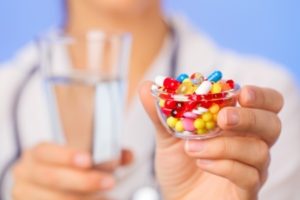
A study conducted by the U.S. Geological Survey in 1999 and 2000 found measurable amounts of one or more medications in 80% of the water samples drawn from a network of 139 streams in 30 states. (Focus for Health)
A study done in a Colorado river found that estrogen-containing drugs in the water are turning male fish into female fish. The Associated Press’ National Investigative Team ran their own tests and found pharmaceuticals in the drinking water of 41 million Americans. Philadelphia alone tested positive for 56 different drugs in their water supply. (Health.Harvard.Edu)
Other research has uncovered popular antidepressant medications concentrated in the brain tissue of fish downstream from wastewater treatment plants. (Health.Harvard.Edu)
The levels detected are typically very low (trace levels) and considered safe by regulators like the Environmental Protection Agency. However, ongoing research is still evaluating the long-term effects of continuous, low-level exposure.
Potential Effects of Pharmaceuticals in Water
- Hormone Disruption (Endocrine Effects): Some pharmaceuticals—especially hormones from birth control or hormone therapies—can interfere with the body’s endocrine system. Potential impacts: Disruption of natural hormone balance; Reproductive changes (shown more clearly in wildlife); Developmental concerns with long-term exposure. This effect is well documented in aquatic life, but still being studied in humans.
- Antibiotic Resistance: Trace antibiotics in water may contribute to the development of antibiotic-resistant bacteria. Why this matters: Makes infections harder to treat; Reduces effectiveness of common medications; and it’s considered a growing global health concern.
- Environmental & Wildlife Impact: This is where the strongest evidence exists. Studies show pharmaceuticals can: Alter fish behavior and reproduction, Cause feminization of male fish, Disrupt aquatic ecosystems. Even at low concentrations, aquatic organisms are more sensitive than humans.
- Subtle Neurological or Behavioral Effects (Under Study): Certain medications (like antidepressants or sedatives) have been detected in water supplies. Researchers are studying whether long-term exposure could: Affect mood or cognitive function and Influence sleep patterns or alertness. No conclusive evidence in humans yet—but it remains an area of concern.
- Unknown Long-Term Human Health Effects: Most regulatory bodies, including the Environmental Protection Agency, state that: Current levels in drinking water are very low and not considered an immediate risk. However, long-term cumulative exposure is not fully understood.
The Solution
The Water Quality Association reports that while specific product performance standards have not been developed for pharmaceuticals, many point-of-use technologies have been proven effective for some of these emerging contaminants. This includes reverse osmosis (RO) systems.
Culligan reverse osmosis (RO) systems are designed to reduce a wide range of contaminants—including many pharmaceutical residues—by using a multi-stage filtration process. At the core of the system is a semi-permeable membrane that filters water at a molecular level, helping block extremely small particles that traditional filtration methods may miss. This is typically combined with activated carbon pre- and post-filters, which help reduce organic compounds, including trace medications and chemical residues. While no system can guarantee 100% removal of every compound, Culligan RO systems are highly effective at significantly reducing many pharmaceuticals, providing an added layer of protection and peace of mind for homeowners who want cleaner, safer drinking water.
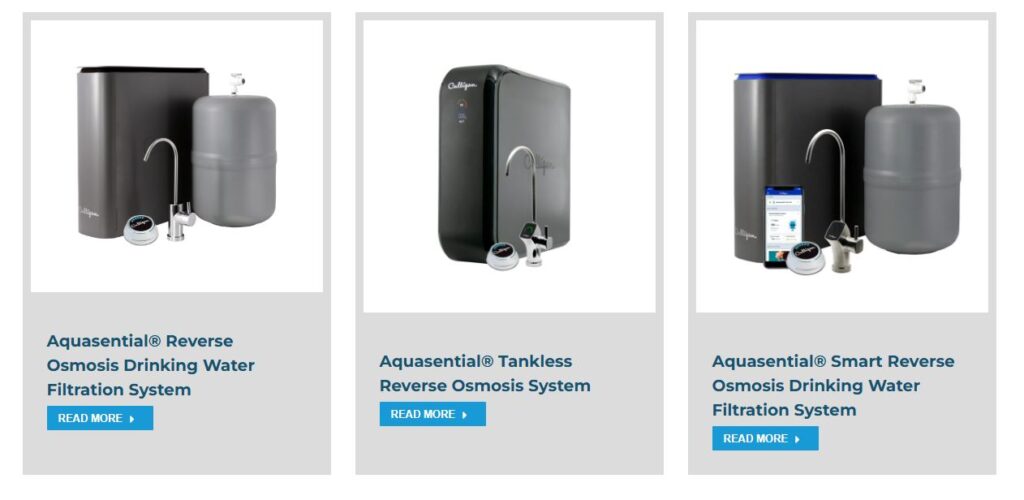
We have three Reverse Osmosis Systems to choose from:
- Aquasential® Reverse Osmosis Drinking Water Filtration System
- Aquasential® Tankless Reverse Osmosis System
- Aquasential® Smart Reverse Osmosis Drinking Water Filtration System
Why Choose Culligan Reverse Osmosis Systems
With easy installation, space-saving designs and smart features available, Culligan under sink water filters for your home provide the ultimate drinking water upgrade.
- Smart Features Available: Get filter change alerts, track contaminants reduced and view plastic bottles saved through our app.
- Reduce More Than 90 Contaminants: Culligan reverse osmosis systems are certified to reduce 18 times more contaminants than the leading standard filter pitcher.
- 40 Billion+ Bottles Saved: Culligan water filtration solutions make an eco-friendly impact by reducing plastic bottle waste.