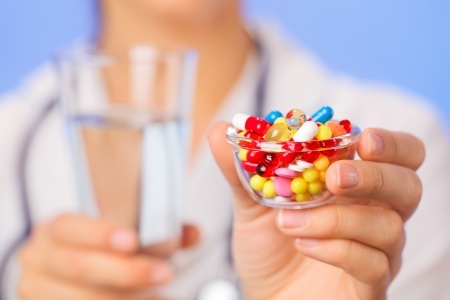
Are there Pharmaceuticals in our Drinking Water?

Drugs in the Water Recent events have led to a growing concern regarding trace pharmaceutical compounds found in drinking supplies across the United States. While pharmaceuticals have been detected in amounts far below the levels considered harmful to humans and there is no evidence demonstrating these pharmaceuticals pose a significant health risk to humans. Yet, we understand many consumers…

What is Reverse Osmosis and How Does it Work?

What is Reverse Osmosis? Reverse osmosis (RO) is an advanced water treatment process that purifies water by forcing it through a semi-permeable membrane designed to remove contaminants at a microscopic level. As water is pushed through this membrane under pressure, only pure water molecules are allowed to pass through, while dissolved solids, heavy metals, chemicals,…

Tax Breaks for Energy-efficient Water Treatment to End on December 31, 2025

Several tax breaks and incentives are available at both federal and state levels to encourage investments in energy-efficient water treatment and conservation.  Federal tax incentives State and local incentives Important considerations By utilizing these tax breaks and incentives, individuals and businesses can reduce the cost of investing in energy-efficient water treatment and contribute to a…

Is Kentucky Drinking Water Safe to Drink Untreated? (According to EWG)

According to the legal limits and KY water utility companies, most of Kentucky’s tap water quality is generally safe, thanks to strict regulations by the Environmental Protection Agency (EPA) and the Kentucky Division of Water. These agencies ensure the water meets safety standards. Yet, some contaminants may exceed recommended levels, and water quality can differ…