Benefits of Cleaner Water for your Home or Business

Improved Taste, Odor & Overall Drinking Quality

  • Culligan’s filtration units reduce chlorine, bad tastes/odors, some organic compounds, and other impurities.

  • For example, under-sink systems target lead, atrazine, microbes, bad taste & odor. By making water more pleasant, people are more likely to drink enough, cook with it, trust the tap instead of bottled water.

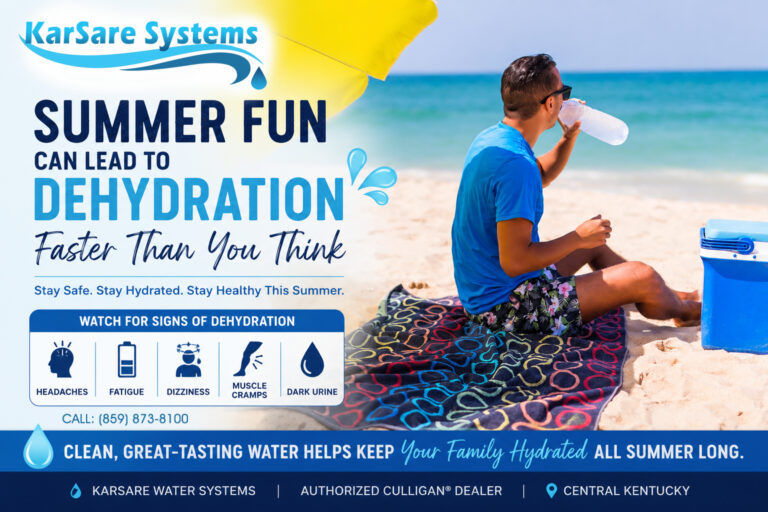
  • Cleaner drinking water supports the idea of “you’ll enjoy your water, you’ll use it”. Better tasting water means you’re more likely to stay hydrated and support health.

The Culligan advantage can be measured in a better life for you and those you care about. Through the highest quality products and services, a complete range of expertise, and convenient support from our dedicated team, we are helping homes and offices everywhere experience the difference that cleaner, better tasting water can make in their lives.

Health & skin/hair benefits

  • Hard water (high in calcium, magnesium, minerals) can lead to scale, residue on skin/hair, soap not lathering, dryness or irritation. Culligan’s softening/filtration help reduce that.

  • Your home’s water might not be as clean as you think… significant reduction of contaminant levels … your hair and skin will thank you.

  • So the benefit: fewer skin problems, better hair feel, less mineral residue on surfaces that touch you (taps, shower walls).

Home Maintenance, Appliance Longevity & Savings

  • Hard water and unfiltered water can cause limescale, build-up on heating elements, pipes, fixtures. That can reduce efficiency of water heaters, washing machines, dishwashers, shorten their life.

  • With cleaner/soft water:  You’ll use less soap/detergent because soap lathers better and less is wasted.  Less time spent cleaning mineral deposits, streaking on glass or fixtures.  Possibly lower energy bills (e.g., water heater works more efficiently when not coated in scale) and fewer repair costs.

  • Also, filtration systems remove sediments, iron, sulfur, which prevents staining of laundry, fixtures, etc.

Environmental & Sustainability Benefits

  • By providing high-quality filtered water, you reduce reliance on bottled water (plastic waste), which has implications for carbon footprint. Culligan notes many fewer single-use bottles when using their systems.

  • Whole-home systems and proper filtration reduce waste of water and detergents (when less soap is needed, fewer re-washes).

  • So, for someone who cares about décor, quality, and thoughtful living (which you do, based on your decorating/antique focus), this aligns nicely.

Peace of Mind / Home Value

  • Knowing your water is treated, contaminants reduced, you have better quality water: that’s a comfort.

  • A water system (especially if integrated well) can be a selling point or at least a value add for home maintenance.

  • Also, since you’re concerned with antiques/vintage pieces, maintaining good water quality helps protect plumbing and fixtures (which could relate to preserving built-in features, vintage plumbing, etc).

Benefits over Plastic Bottled Water

Cost Savings

Bottled water can cost hundreds of dollars a year — sometimes more than $400–$600 for a family that drinks several bottles a day.  A Culligan system typically pays for itself within the first 1–2 years and provides filtered water for pennies per gallon after that. You’ll also save on fuel costs and time from buying and hauling cases of bottles

Environmental Benefit

One Culligan system can eliminate the need for 10,000+ single-use plastic bottles per year (according to Culligan estimates). That means less plastic waste in landfills and oceans, and a smaller carbon footprint from production and transport of bottled water. Even Culligan’s bottleless coolers are designed for sustainability — no plastic jugs, no waste.

Health Benefit

Culligan’s multi-stage filters remove up to 97% of common contaminants, providing healthier water for drinking, cooking, and even pets. Unlike bottled water that may sit in plastic for months, your Culligan water is filtered fresh, reducing the risk of microplastic exposure or chemical leaching.

How safe is bottled water?

Most people have consumed bottled water during their life. It’s convenient and many of us consider bottled water to be safer than tap water. The truth is that bottled water is not safer. In fact, bottled water is not regulated by the EPA, whereas tap water must adhere to strict guidelines set to protect consumers from water contamination. In addition, many bottled waters are drawn from the same water source as tap water. So that water you are drinking is nothing more than filtered tap water packaged to sell for a fee. That’s right, it’s not all water coming from that beautiful waterfall or spring illustrated on the label. To add more fuel to the fire, that convenient, single-use bottle could be a health risk.
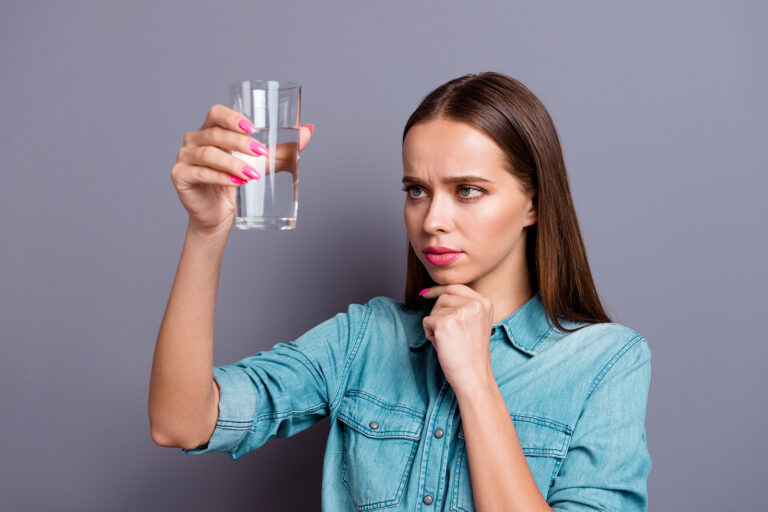
Are you drinking plastic particles?

What is the health risk? The bottled water you drink may contain microplastic, which you take into your body when consuming it. A recent article written by Amy Martyn and published on ConsumerAffairs.com highlights a study of microplastic concentration in bottled water. The research was conducted by Sherri Mason of State University of New York Fredonia. In the article, Martin states that Mason tested 259 brands of bottled water to see if they contained plastic particles.

“Of the 259 total bottles analyzed, 93% showed signs of microplastics.”

Get a Free Water Analysis

The first step to better water is understanding your unique water conditions. Contact KarSare Water Systems for custom solutions to their water problems.

FROM OUR BLOG