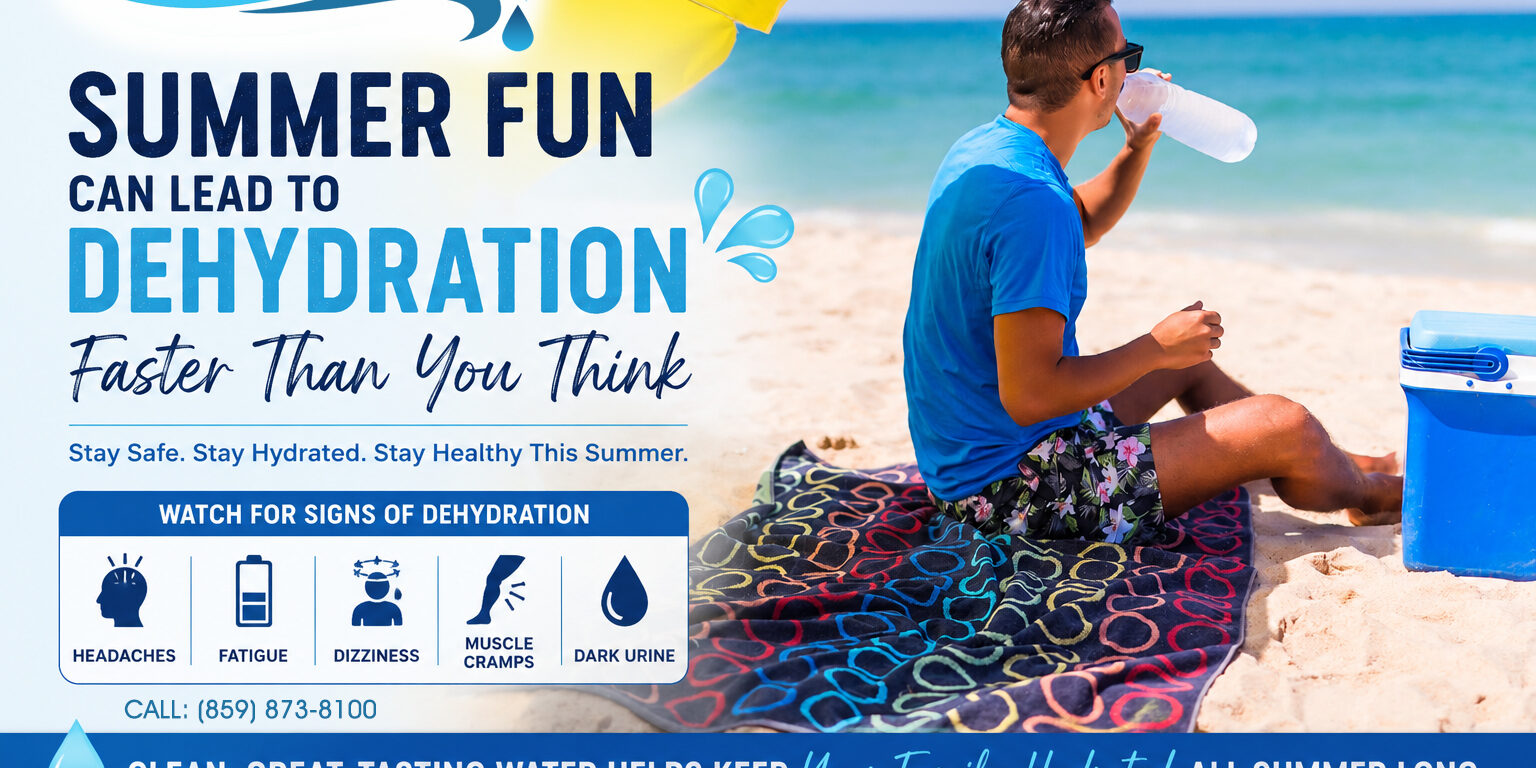
Summer in Kentucky is a time for family vacations, pool days, lake trips, backyard barbecues, hiking, and outdoor adventures. While these activities create lasting memories, they also bring an increased risk that many people overlook: dehydration.
Dehydration doesn’t just affect athletes or people working in extreme heat. It can happen to anyone, including children, older adults, and even people who spend much of their day relaxing by the pool. The challenge is that dehydration often develops gradually, and by the time symptoms become obvious, your body may already be under significant stress.
What Is Dehydration?
Dehydration occurs when your body loses more fluids than it takes in. Every day, your body loses water through sweating, breathing, and normal bodily functions. During the summer months, these losses increase significantly due to higher temperatures and increased outdoor activity.
Because water is essential for regulating body temperature, transporting nutrients, lubricating joints, and supporting organ function, even mild dehydration can affect how you feel and perform.
Common Signs of Dehydration
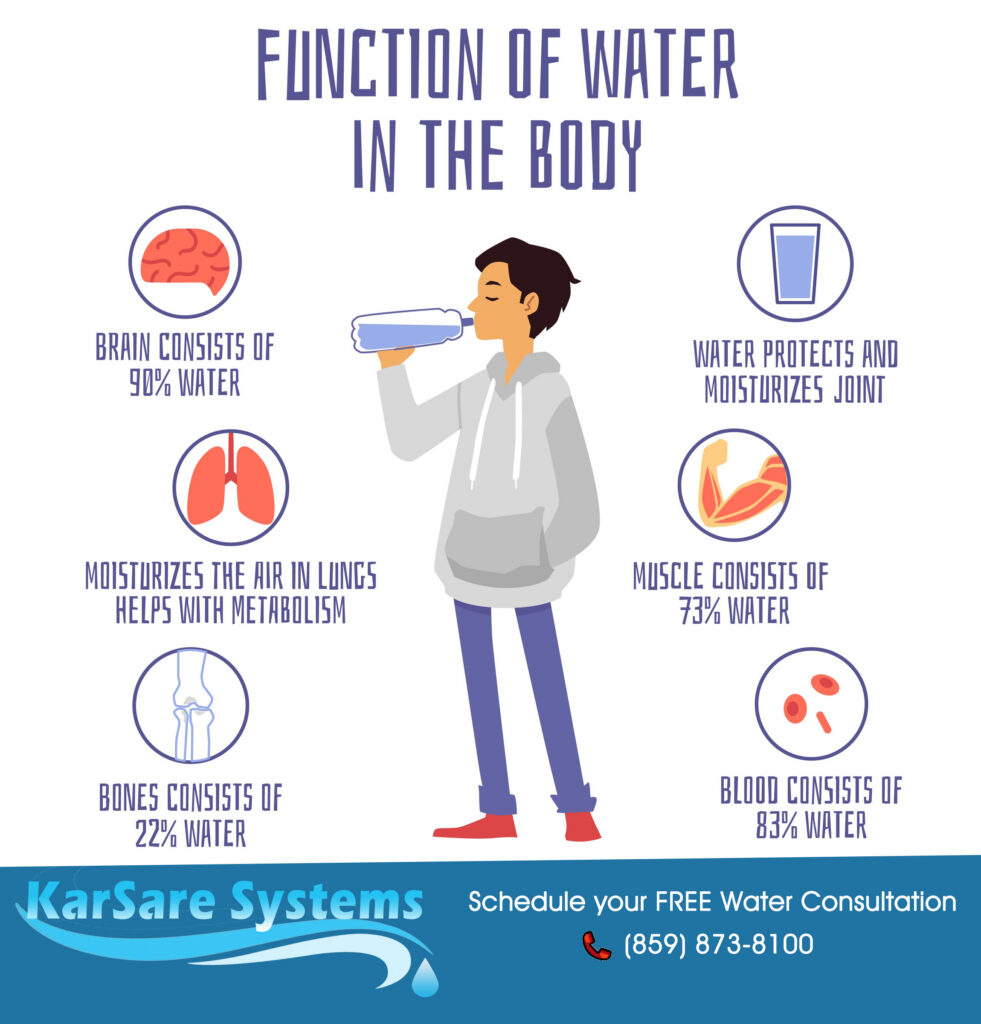
Every part of your body functions better with adequate water intake per day!
Many people dismiss the early symptoms of dehydration as simply being tired or overheated. Watch for these warning signs:
- Increased thirst
- Dry mouth or chapped lips
- Headaches
- Fatigue and low energy
- Dizziness or lightheadedness
- Muscle cramps
- Dark yellow urine
- Reduced urination
- Irritability or difficulty concentrating
In children, signs may include unusual fussiness, dry lips, fewer wet diapers, or decreased activity levels.
Why Dehydration Can Be Dangerous
When your body lacks adequate fluids, it struggles to perform essential functions. Severe dehydration can lead to serious health complications, including:
Heat Exhaustion: Symptoms include heavy sweating, weakness, nausea, headache, and fainting. Without intervention, heat exhaustion can quickly worsen.
- Heat Stroke: Heat stroke is a medical emergency. Body temperatures can rise rapidly, potentially causing organ damage, confusion, seizures, or loss of consciousness.
- Kidney Problems: Your kidneys rely on adequate hydration to filter waste products from your body. Chronic or severe dehydration can increase the risk of kidney stones and other kidney-related issues.
- Cardiovascular Stress: Dehydration causes blood volume to decrease, forcing the heart to work harder. This can result in rapid heart rate, low blood pressure, and dizziness.
- Increased Risk for Vulnerable Populations: Older adults, young children, and individuals with chronic health conditions are particularly susceptible to dehydration-related complications.
Why the Beach, Pool, and Lake Can Fool You
One of the biggest misconceptions about hydration is that being around water somehow reduces your risk of dehydration. In reality, the opposite can occur. When you’re swimming or relaxing by the pool, your body continues to lose fluids through sweating, but the water can make you feel cooler than you actually are. As a result, you may not notice how much you’re sweating.
Several factors can mask dehydration:
- Cool water lowers your perception of heat.
- Ocean breezes and lake winds reduce awareness of sweating.
- Physical activity such as swimming, paddleboarding, or beach games increases fluid loss.
- Sun exposure accelerates dehydration.
- Alcoholic beverages often consumed during summer gatherings can increase fluid loss.
Many people don’t realize they’re dehydrated until they begin experiencing headaches, fatigue, or dizziness later in the day.
How to Stay Properly Hydrated This Summer
Fortunately, preventing dehydration is often simple with a few healthy habits.
- Drink Water Before You’re Thirsty: Thirst is actually a late indicator of dehydration. Make it a habit to drink water consistently throughout the day.
- Carry a Refillable Water Bottle: Having water readily available makes it easier to maintain hydration, especially during outdoor activities.
- Limit Alcohol and Sugary Drinks: While refreshing, these beverages can contribute to fluid loss and may not hydrate your body effectively.
- Take Regular Breaks: If you’re working outdoors or participating in sports, seek shade and rest periodically to cool down.
- Increase Water Intake During Activity: The more you sweat, the more fluids your body needs. Outdoor workers, athletes, and active families should increase their water consumption accordingly.
- Pay Attention to Children and Seniors: These groups often don’t recognize dehydration symptoms as quickly and may require reminders to drink water regularly.
Great-Tasting Water Encourages Better Hydration
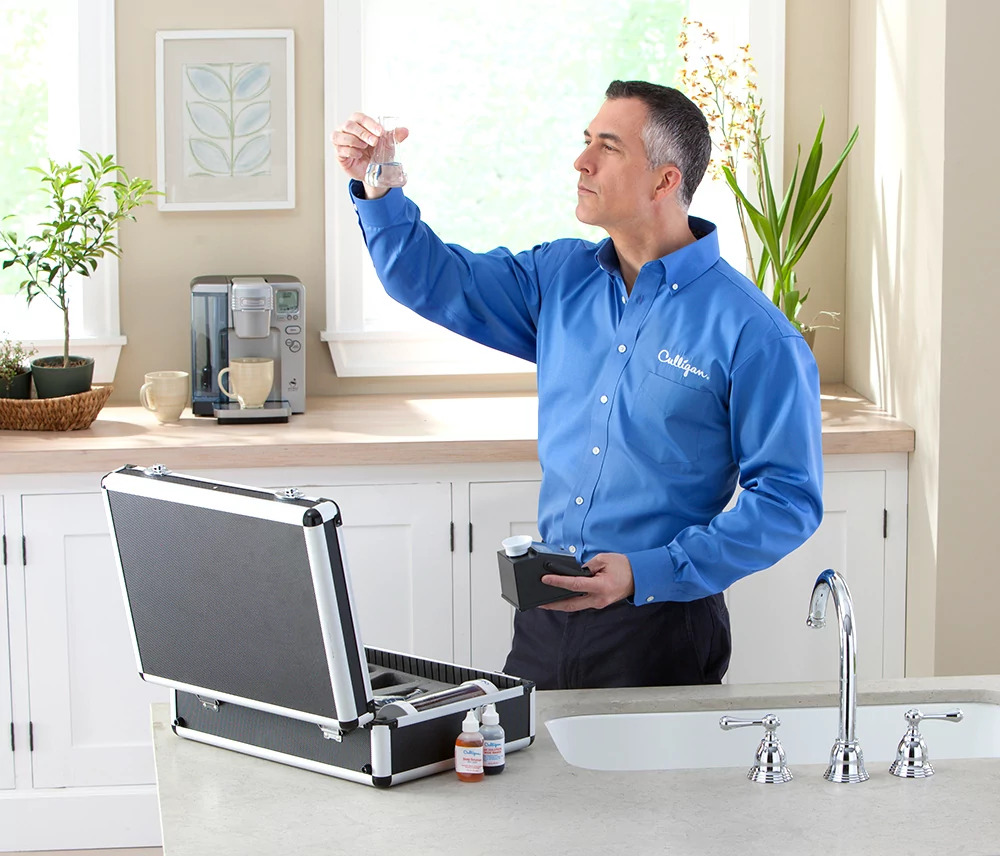
One overlooked factor in hydration is water quality. People naturally drink more water when it tastes fresh and clean. If your home’s water has unpleasant tastes, odors, chlorine, sediment, or other issues, family members may reach for sugary beverages instead of water. A quality water filtration system can improve taste and encourage healthier hydration habits year-round.
At KarSare Water Systems, we help Central Kentucky families enjoy cleaner, better-tasting water through customized Culligan water treatment solutions. Whether you’re interested in drinking water filtration, reverse osmosis systems, water softeners, or whole-house treatment systems, we’re here to help.
Make Hydration a Priority This Summer
Summer should be filled with fun, not preventable health problems. By recognizing the signs of dehydration, understanding the risks, and ensuring your family has access to clean, great-tasting water, you can enjoy everything the season has to offer safely. If you’d like to learn more about improving your home’s water quality, contact KarSare Water Systems today for a FREE water test. Better water can help support better hydration—and a healthier summer for your entire family.
Stay hydrated. Stay healthy. Enjoy your summer.
Start with a FREE water test with one of our water experts at KarSare Water Systems: